
Written by: Rachel Lee, FCSN Voices Youth Reporter
Graphics by: Anna Wang, FCSN Voices Graphic Artist
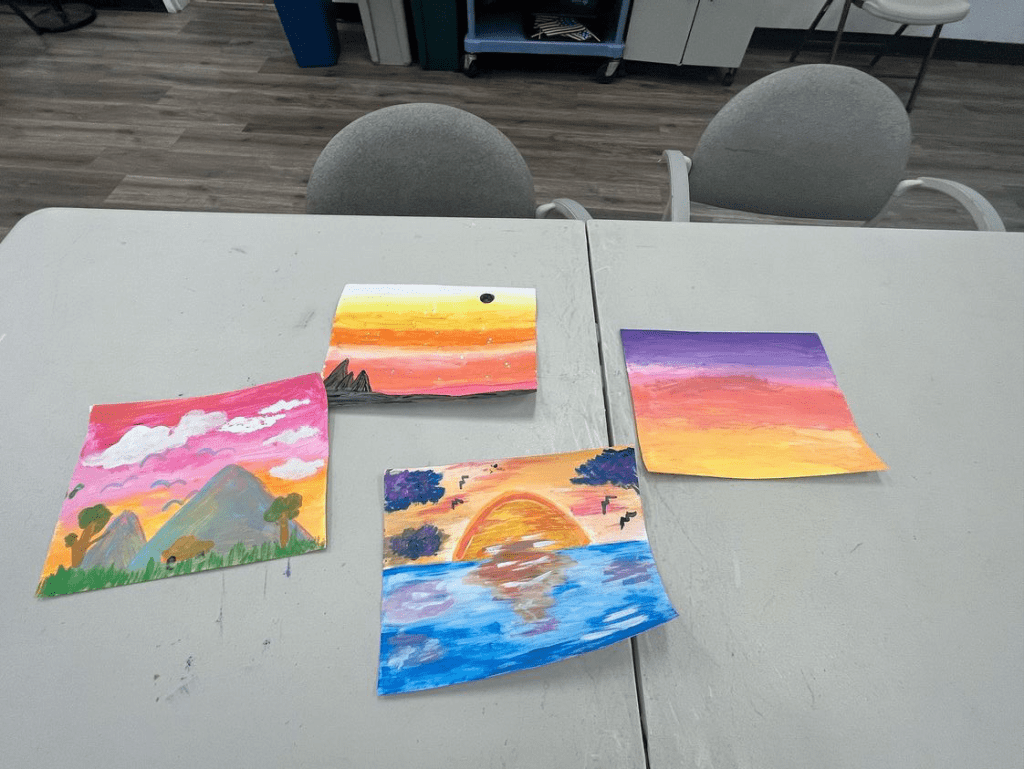
As the summer sun bathes the cozy Chenming & Margaret Hu Center in a warm glow, young artists gather around the palettes and paints, eager for another day of imagination and relaxation. Led by Mishika Agarwal, FCSN’s Landscape Painting Class has become a cherished weekly event for both students and volunteers alike. With the first class launched on June 17th, the program takes place every Saturday and provides FCSN students an artistic sanctuary where they can explore the world of art and tell their stories through various mediums.
Guided by her passion for art cultivated by her mother, Mishika is a self-taught painter, finding solace and joy in creating artworks. Her cousins who have ADHD inspired her to learn more about working with diverse learners and appreciate their unique perspectives. Mishika’s passion for art and her drive to create meaningful change paved the way for the making of this program. As the founder of the Strive4Hope Foundation, a non-profit organization aiming to empower neurodiverse students, Mishika saw an opportunity to bridge the gap between art and self-expression for the special needs community by partnering with FCSN. “There’s sometimes a negative stigma towards neurodivergent students…so I wanted them to have a way that they can express how they feel without being closed off in a box,” she said. Now, the Landscape Painting Class has become a canvas where FCSN’s budding artists can flourish and embrace their true colors.
Every session of the program is designed to cater the students’ individual needs, with one volunteer per student to provide guidance and support. Mishika’s expertise and patient approach helps them grasp foundational skills like holding a brush and blending colors. Different landscape prompts are assigned each week, allowing students to express the different memories and images they have associated with the scenery. What Mishika cherishes the most is how each painting tells a unique story. “I remember when we painted a beach,” she said. “Everybody wanted to paint a different aspect of it, which is what I was hoping for. One person wanted to paint a dolphin. Somebody else wanted to paint a beach house along with a sunset. And another kid wanted to paint a shark eating somebody’s foot while they were surfing. That just shows how different and how truly diverse everybody’s viewpoints are.” While each student is given the same landscape prompt, their differing interpretations result in a beautiful mosaic of color and creativity.
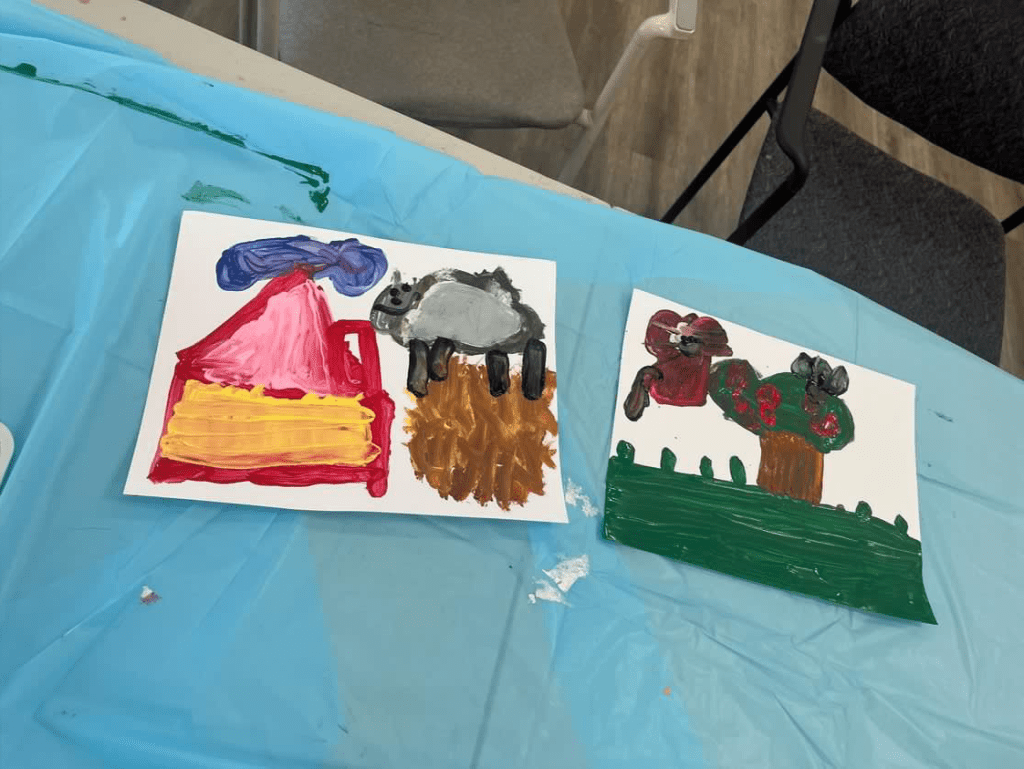
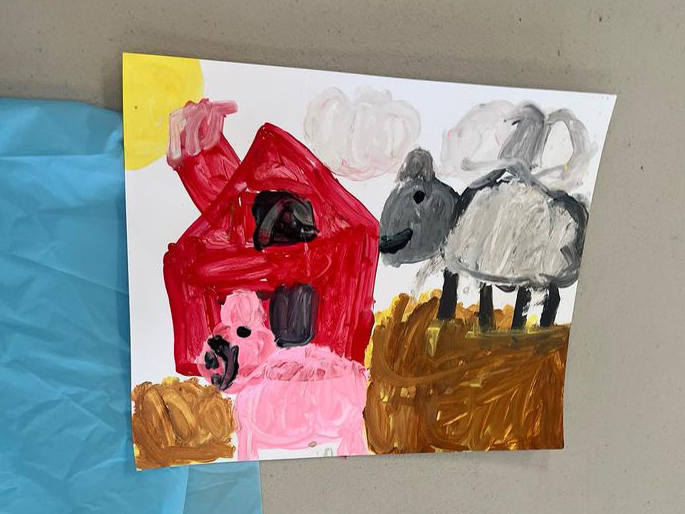
However, the journey behind creating the Landscape Painting Program came with challenges. Initially, Mishika wanted the students to use their own creativity and paint whatever they wanted, but a lack of guidance caused some to struggle. Though the students had plenty of ideas as to what to paint, they had trouble translating their ideas onto paper, especially if they had a limited background in art. As a result, Mishika quickly reformatted her teaching style to spend equal time with each student, helping them based on their individual needs as well as assigning one volunteer per student to offer assistance. If a student was unsure how to paint an object, she would sit down with them and provide them with step-by-step guidance on how to execute the form with confidence. “[The students] are still using their own viewpoints and images for what they see,” she said, “but mostly it’s where I guide them on how to paint, and they mostly structure towards what they want.” As the weeks progressed, Mishika witnessed the program’s profound effects on their self-expression. Initially shy and hesitant, the students soon found their voice through art, even opening up to Mishika while sharing their memories of specific sceneries. Painting not only became a means of artistic storytelling but also a channel to overcome communication barriers and connect with others.
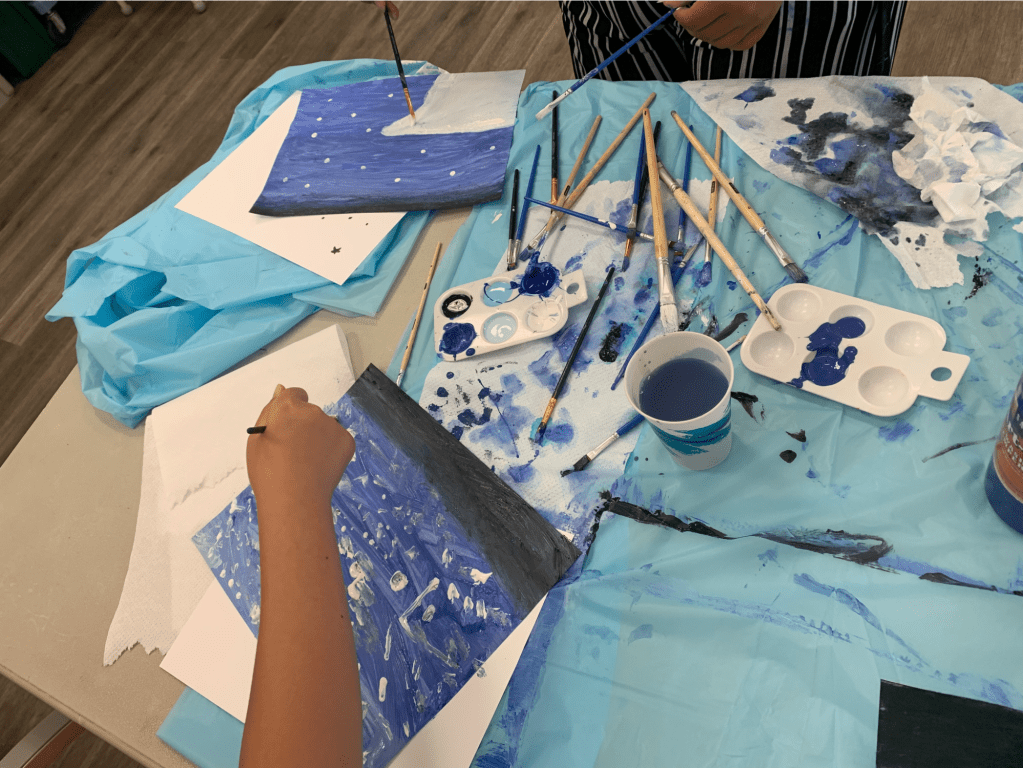
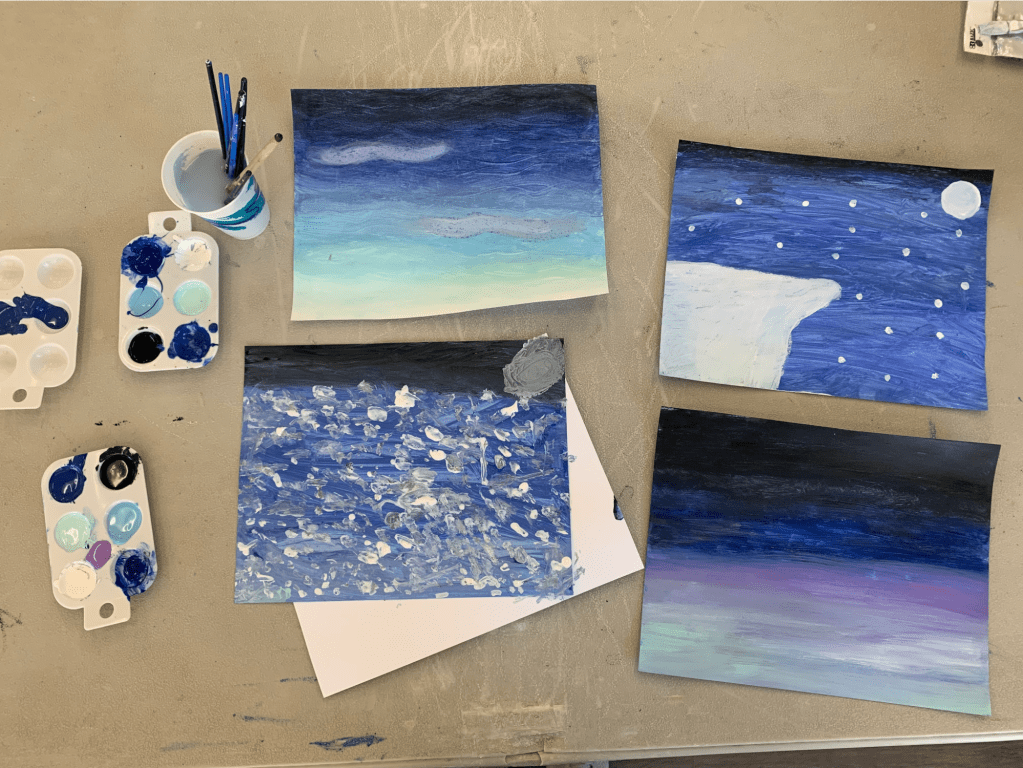
Reflecting on this impactful journey, Mishika feels grateful for the opportunity to make a difference within the special needs community. She is able to bring out the diversity in these young artists through the multitude of artworks they create during the classes. “Every single week we have [them] paint more than one painting,” Mishika said. “They have not just one stuck viewpoint; they’ve mastered many different things. So at the end, we have a collage of all the different paintings that people made that day, and they’re all very diverse.” Looking ahead, Mishika aims to expand her non-profit’s reach to other cities, schools, and special needs centers, touching the lives of even more people within the neurodiverse community. By furthering her impact, she hopes to empower more individuals and continue building a community where imagination soars, creativity thrives, and diversity is embraced.
 fcsnvoices.org