Written by: Saanvi Shah, FCSN VOICES Assistant Team Lead
Graphics by: Audrey Wong, FCSN VOICES Graphic Artist
When Franki was born, he was in no hurry to enter the world. After going 11 days past his due date, his parents finally had to induce labor. They could not have known then that their son would spend much of his life moving through the world at his own pace, and eventually teaching everyone around him to do the same.
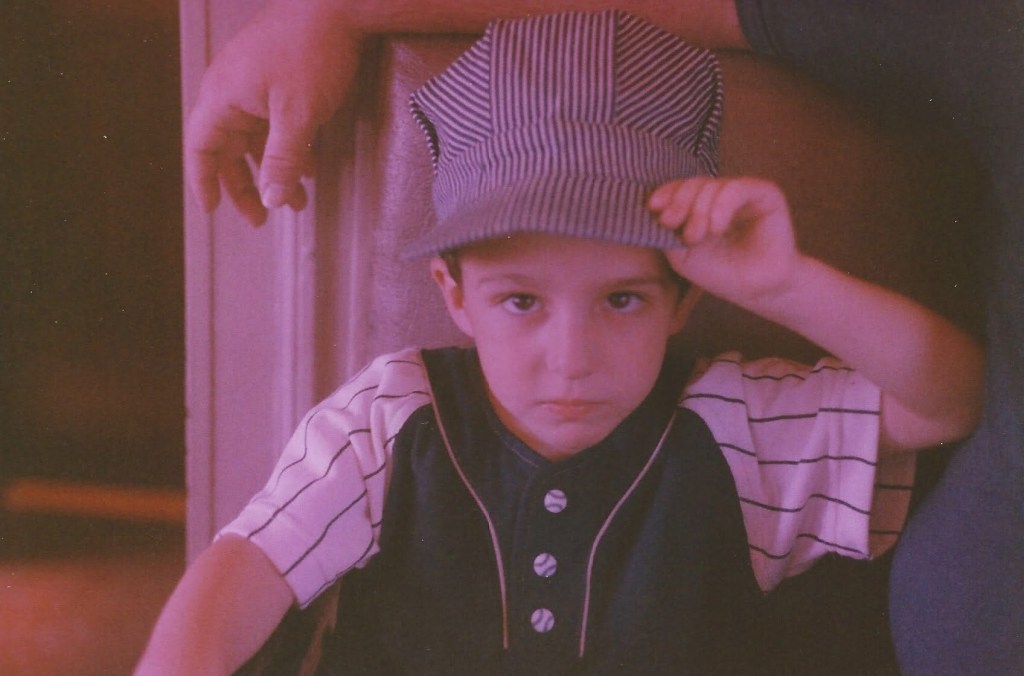
Franki’s differences first became noticeable when he was about a year old. He wasn’t talking yet, but he had found his own way to communicate: pointing. He did not begin speaking until he was around three. Even as a baby, Franki had strong sensory preferences. For example, he refused to be burped unless he was turned sideways.
When Franki attended preschool at Logan High School, his teacher noticed that he was developing differently and suggested that he be evaluated. But finding an answer was not easy. One doctor after another struggled to understand what was happening. During one appointment, Franki would not even allow the pediatrician to touch him. His family was eventually referred to developmental specialist Dr. Burman, who believed Franki did not have autism but instead had a sensory disorder.
Still, his parents knew something was missing from the explanation.
“It took seven doctors, and nobody knew what was wrong with him,” his mother remembers.
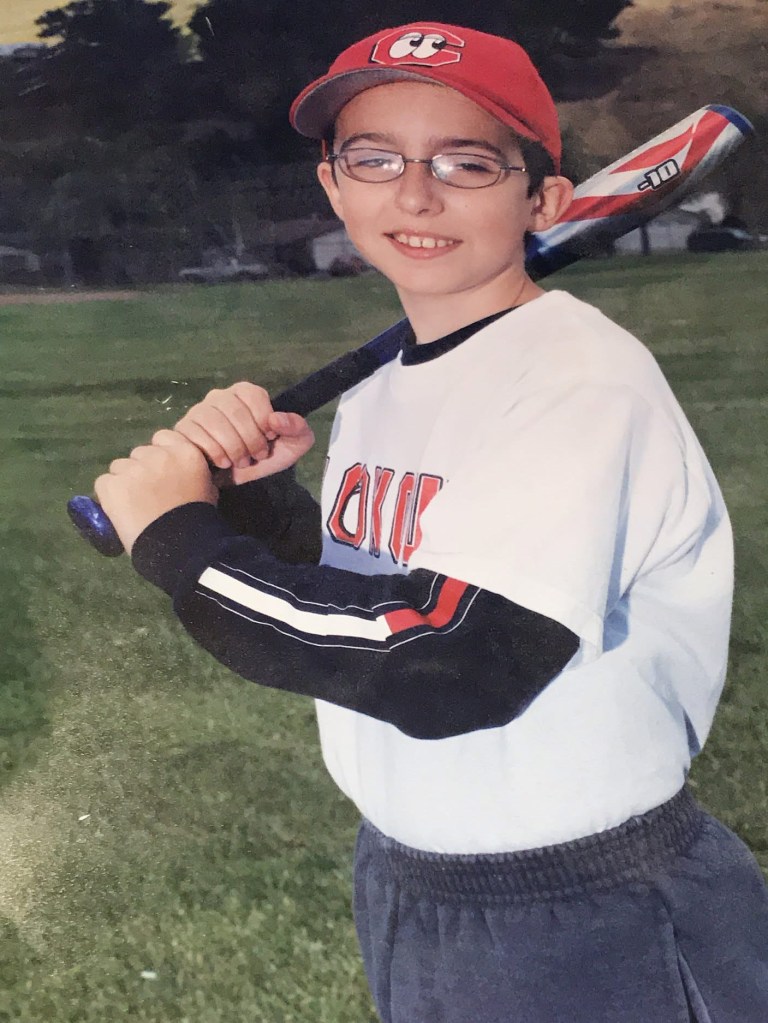
As Franki grew older, some of his differences became more apparent. In middle school, he had an incredible ability to remember and share facts, but he often struggled with interpreting situations beyond the information he had learned. Around the same time, his family became increasingly concerned about bullying.
At Little League, other children approached Franki’s family and told them that he was being bullied. Franki’s mother repeatedly emailed his counselors about what he was experiencing, hoping someone would intervene. Instead, she felt that his concerns were sometimes dismissed as exaggerations.
Eventually, Franki was evaluated through Kaiser, where doctors recommended testing for autism. The evaluation and therapy could have cost thousands of dollars, but fortunately, his family was able to have the services covered. At 11 years old, Franki was finally diagnosed with high-functioning autism.
The diagnosis brought both relief and new challenges.
Because Franki could often adapt to his surroundings, people who met him did not always realize that he was autistic. He worked hard to become what he thought was the “model student,” learning classroom rules and adjusting his behavior to fit expectations. But his mother soon realized that the burden should not always be on Franki to change.
In high school, she became a strong advocate for him, pushing teachers and aides to consider how they could adapt their approach rather than expecting Franki to change who he was.
But Franki’s story was never only about the challenges he faced. His family wanted something bigger for him: a life filled with purpose, friendship, music, and joy.
After Little League, they began looking for activities that would give Franki opportunities to connect with others and discover what he loved. He joined Boy Scouts, where he was encouraged to try a troop centered around jazz music.
At first, Franki was hesitant. But after spending a month with the band, he did not want to leave.
His Scoutmaster, a professor in San Jose, recognized Franki’s interest and helped enroll him in a music course at Ohlone College. Franki found his instrument: the drums.
In many ways, it was a perfect match.
As a child, Franki had loved banging Tupperware on the table. What might once have seemed like an unusual behavior eventually became the foundation for a passion. Today, he plays drums and participates in music camps and performances through Friends of Children with Special Needs (FCSN).
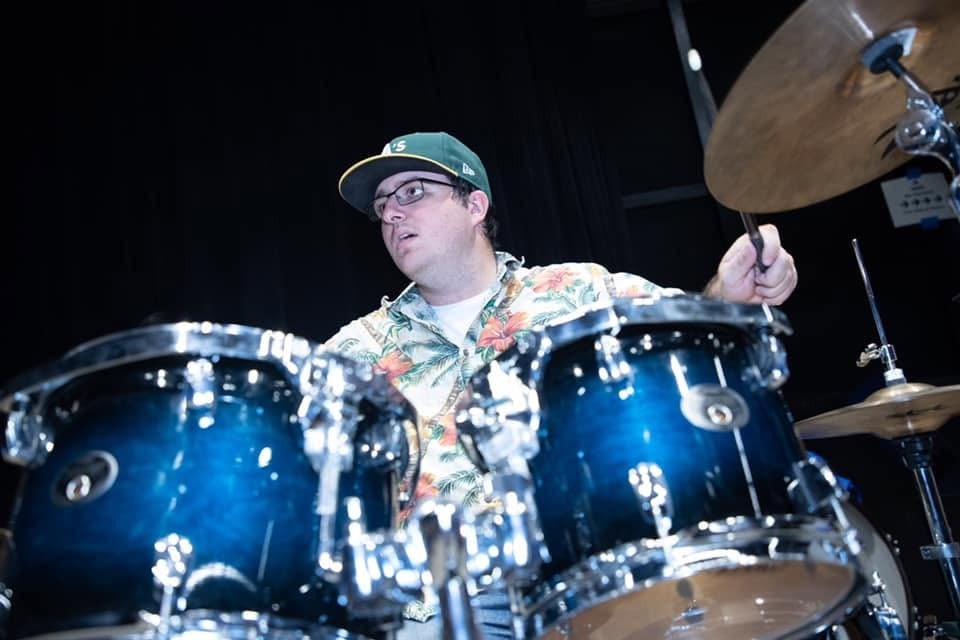
Music is just one part of Franki’s full and active life. He participates in Special Olympics bowling, softball, golf, curling, and pickleball. His family has encouraged him to try new things, meet people, and discover the activities that make him feel confident and capable.
Even learning to drive became part of that journey. His family knew that if Franki could drive, he could have more independence and, importantly, could drive himself to his jazz band.
For his mother, these experiences have reinforced something she has always known about her son: Franki has a remarkable ability to be completely himself.
He is kind, confident, and unapologetic about who he is. People are drawn to him because of his warmth and enthusiasm.
Once, Franki gave his middle school principal a softball he had signed, confidently declaring that he was going to be famous.
And when his family asks him, “Who loves you?”
His answer is simple.
“I do.”
That confidence is one of the qualities his family admires most.
Looking back, Franki’s mother is grateful that families today have greater access to information and diagnosis than they once did. But she also hopes parents understand that a diagnosis does not define the limits of a person’s life.
“Just because they have a disability doesn’t mean they aren’t capable,” she says. “Find their niche and their talent.”
Her advice to other parents is not to spend all their energy worrying about what their child cannot do. Instead, she encourages families to look for what their child can do, and, even more importantly, what they enjoy. For Franki, that meant recognizing that the child who once loved banging Tupperware might become a drummer.
Franki’s journey is a reminder that sometimes the qualities we initially struggle to understand can become the very things that make someone extraordinary.
Sometimes, you just have to listen for the rhythm.
Link to Franki’s Twitch: https://m.twitch.tv/homeplatedrums/home
Link to Franki’s Youtube: https://www.youtube.com/@HomePlateDrums/videos

